
USD


$33.68
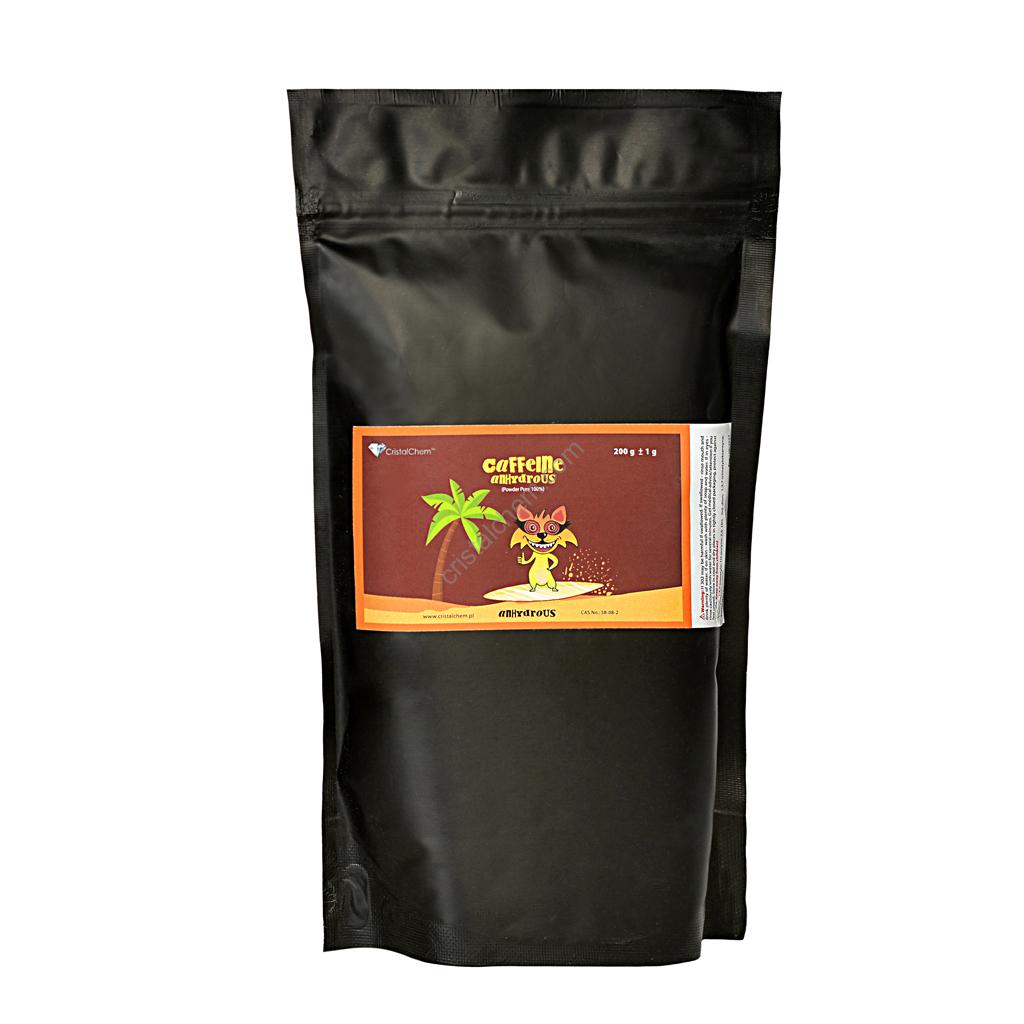
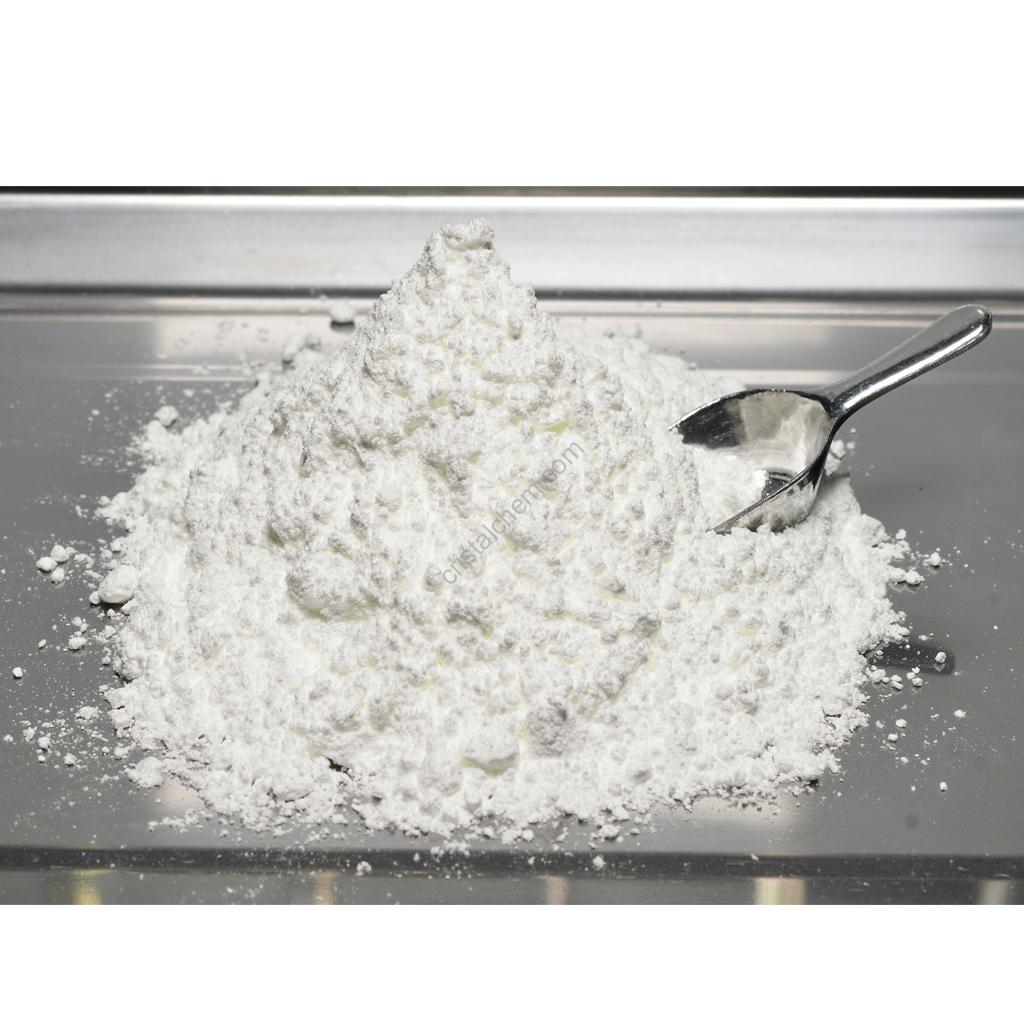
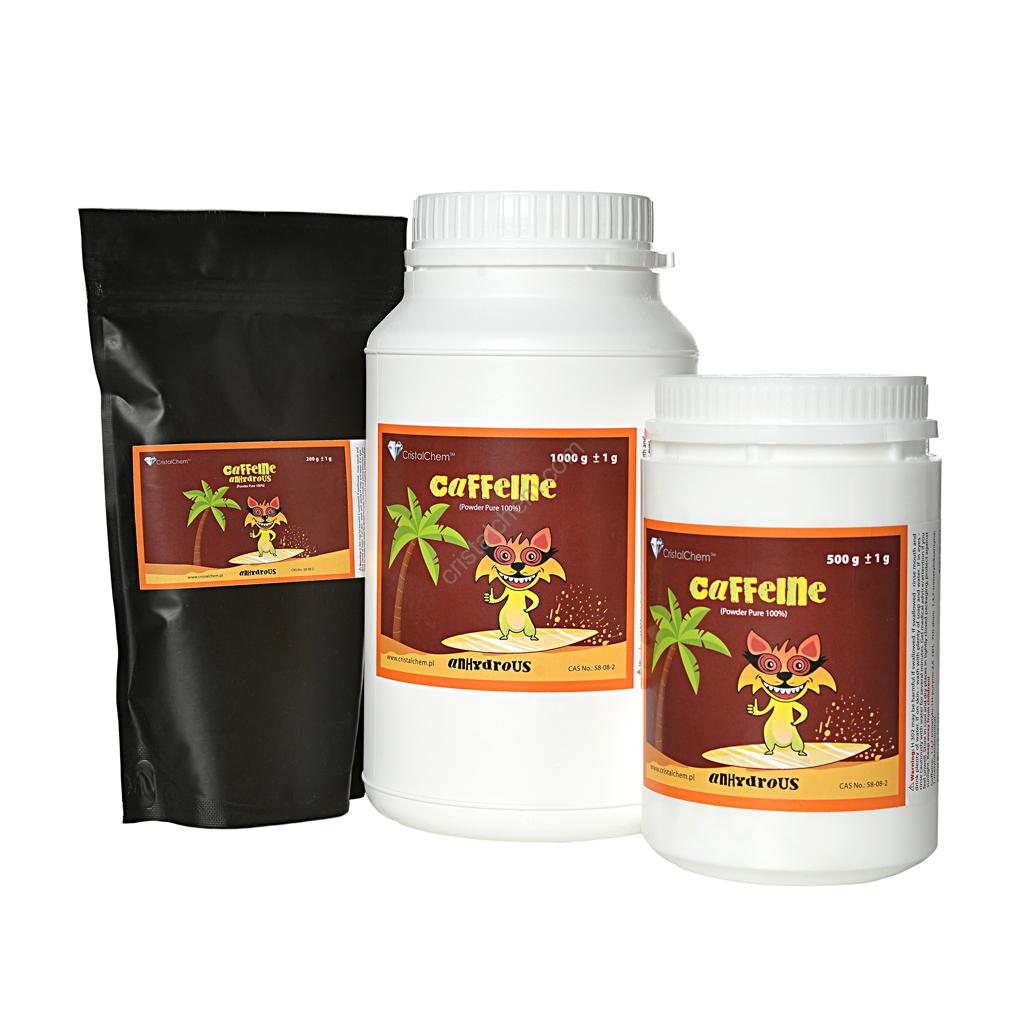
112g Anhydrous Caffeine Pure 100% Fluffy
Anhydrous Caffeine – Purity 100%
FOR LAB R&D USE ONLY!
| Property | Description |
|---|---|
| Form | Solid |
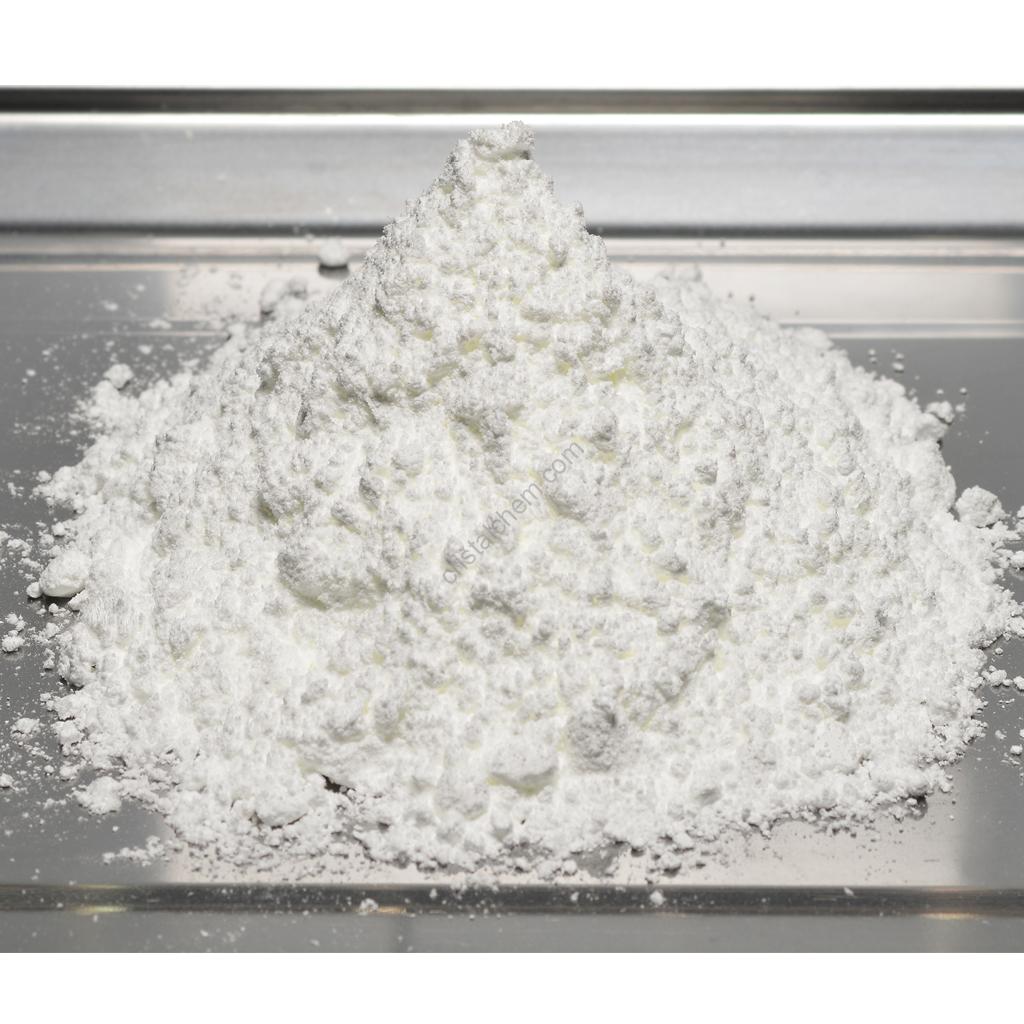
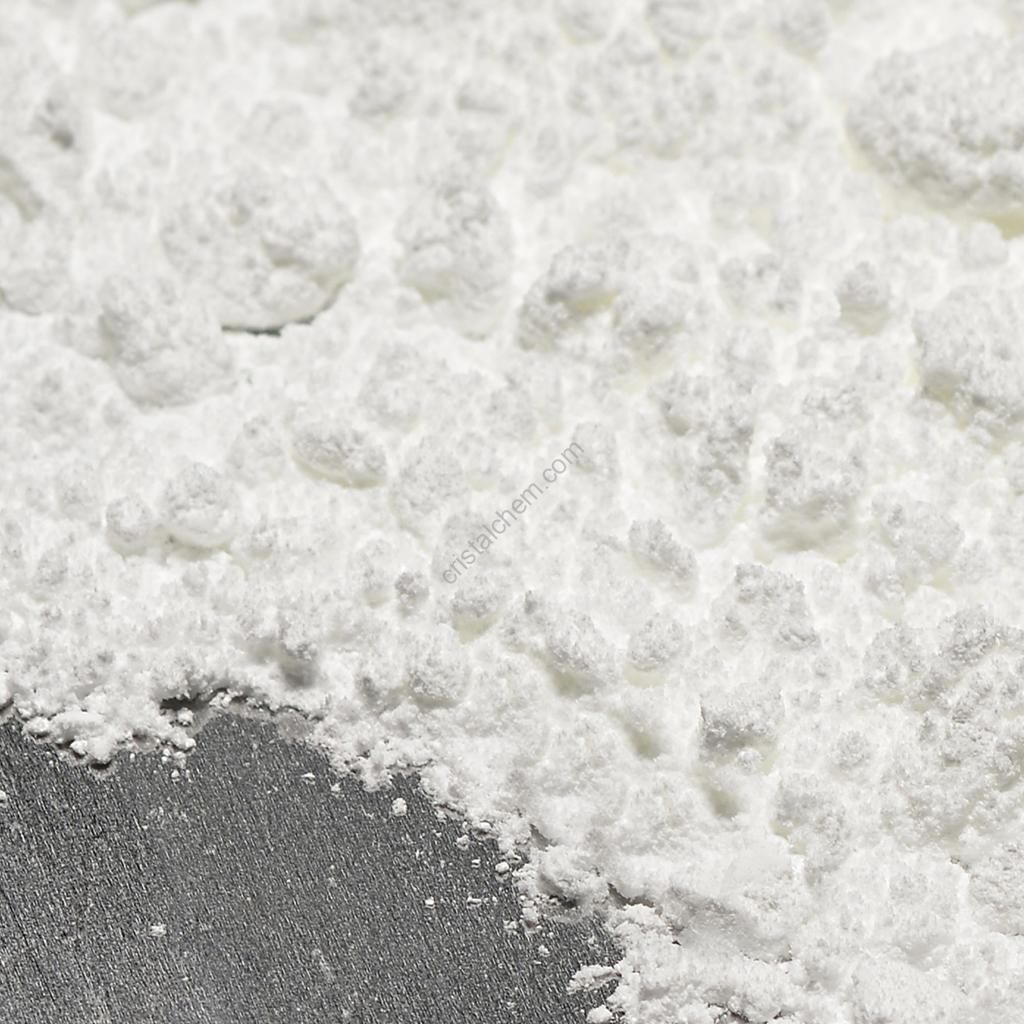
| Color | White |
| Odor | Odorless |
| Molar mass | 194.19 g/mol |
| pH (10g/L, 20°C) | 5.5–6.5 |
| Melting point | 235–237.5°C |
| Boiling point | 178°C |
H302: Harmful if swallowed.
P273: Avoid release to the environment.
P270: Do not eat, drink, or smoke while using the product.
P264: Wash hands thoroughly after handling.
P312: Call a poison center or doctor if you feel unwell.
P301+P330+P331: If swallowed: rinse mouth. Do NOT induce vomiting.
Storage:
Keep the product in a dry, cool place, in a tightly sealed container.
Protect it from sunlight and moisture. Keep away from children.
Intended for laboratory and professional use only.
Anhydrous caffeine is a pure, concentrated form of caffeine created by removing water from the natural compound.
This process increases both its potency and stability.
As a result, the substance delivers stronger and more predictable effects during research and formulation.
Because of this, it is one of the most valuable ingredients in chemical, pharmaceutical, and cosmetic laboratories.
Researchers often use anhydrous caffeine as a high-purity reagent in scientific experiments.
It supports studies in analytical chemistry, pharmacology, biotechnology, and food science.
Moreover, its easy solubility and stable structure allow scientists to achieve repeatable and accurate results.
Therefore, this form of caffeine remains essential for modern laboratory research.
Caffeine stimulates the brain by blocking adenosine receptors, reducing fatigue and increasing alertness.
At the same time, it improves focus, enhances physical endurance, and lifts mood.
In cosmetic science, anhydrous caffeine strengthens and tones the skin, improves microcirculation, and reduces swelling.
Thanks to these properties, it is used in many advanced skincare and body-care formulations.
Choosing a pure reagent ensures accurate and reliable results in every experiment.
Our anhydrous caffeine ≥99% is produced through advanced purification and crystallization techniques.
It comes as a fine, dry powder that dissolves quickly and allows for easy measurement.
For that reason, professionals around the world rely on it in R&D and industrial projects.
Pharmacology: analysis of neurostimulation and receptor response
Toxicology: dose-limit and metabolism studies
Analytical chemistry: calibration and testing standards
Cosmetics: creams, tonics, serums, and slimming gels
Sports science: endurance, reaction time, and fatigue-reduction testing
Regular caffeine contains water molecules that slightly reduce its effectiveness.
By contrast, anhydrous caffeine is completely water-free, which makes it more concentrated and longer lasting.
Because of its purity and power, laboratories prefer this version for research and chemical synthesis.
You can purchase anhydrous caffeine directly from CristalChem.com.
Each batch meets strict GHS and REACH safety standards and is packed in moisture-resistant aluminum doypack bags.
These durable packages protect the product from light and air, keeping it stable for long-term use.
CristalChem supplies universities, laboratories, and industries across Europe and worldwide — ensuring fast, safe delivery and consistent quality.
The offered anhydrous caffeine is a certified chemical reagent intended for professional research and development use only.
| Weight | 0.112 kg |
|---|
| Cookie | Duration | Description |
|---|---|---|
| cookielawinfo-checkbox-advertisement | 1 year | Set by the GDPR Cookie Consent plugin, this cookie records the user consent for the cookies in the "Advertisement" category. |
| cookielawinfo-checkbox-analytics | 1 year | Set by the GDPR Cookie Consent plugin, this cookie records the user consent for the cookies in the "Analytics" category. |
| cookielawinfo-checkbox-functional | 1 year | The GDPR Cookie Consent plugin sets the cookie to record the user consent for the cookies in the category "Functional". |
| cookielawinfo-checkbox-necessary | 1 year | Set by the GDPR Cookie Consent plugin, this cookie records the user consent for the cookies in the "Necessary" category. |
| cookielawinfo-checkbox-non-necessary | 1 year | GDPR Cookie Consent plugin sets this cookie to record the user consent for the cookies in the "Necessary" category. |
| cookielawinfo-checkbox-others | 1 year | Set by the GDPR Cookie Consent plugin, this cookie stores user consent for cookies in the category "Others". |
| cookielawinfo-checkbox-performance | 1 year | Set by the GDPR Cookie Consent plugin, this cookie stores the user consent for cookies in the category "Performance". |
| CookieLawInfoConsent | 1 year | CookieYes sets this cookie to record the default button state of the corresponding category and the status of CCPA. It works only in coordination with the primary cookie. |
| elementor | never | The website's WordPress theme uses this cookie. It allows the website owner to implement or change the website's content in real-time. |
| Cookie | Duration | Description |
|---|---|---|
| mailchimp_landing_site | 1 month | MailChimp sets the cookie to record which page the user first visited. |
| pll_language | 1 year | Polylang sets this cookie to remember the language the user selects when returning to the website and get the language information when unavailable in another way. |
| Cookie | Duration | Description |
|---|---|---|
| _gat | 1 minute | Google Universal Analytics sets this cookie to restrain request rate and thus limit data collection on high-traffic sites. |
| Cookie | Duration | Description |
|---|---|---|
| _ga | 1 year 1 month 4 days | Google Analytics sets this cookie to calculate visitor, session and campaign data and track site usage for the site's analytics report. The cookie stores information anonymously and assigns a randomly generated number to recognise unique visitors. |
| _ga_* | 1 year 1 month 4 days | Google Analytics sets this cookie to store and count page views. |
| _gcl_au | 3 months | Google Tag Manager sets the cookie to experiment advertisement efficiency of websites using their services. |
| _gid | 1 day | Google Analytics sets this cookie to store information on how visitors use a website while also creating an analytics report of the website's performance. Some of the collected data includes the number of visitors, their source, and the pages they visit anonymously. |
| Cookie | Duration | Description |
|---|---|---|
| IDE | 1 year 24 days | Google DoubleClick IDE cookies store information about how the user uses the website to present them with relevant ads according to the user profile. |
| test_cookie | 15 minutes | doubleclick.net sets this cookie to determine if the user's browser supports cookies. |
| Cookie | Duration | Description |
|---|---|---|
| cookies.js | session | No description available. |
| woocommerce_recently_viewed | session | WooCommerce sets this cookie to store performed actions on the website. |