
USD


Procaine HCl Crystalline Powder (CAS 51-05-8) is a classic ester-type local anesthetic known historically as Novocain. While modern clinical practice often prefers amide anesthetics such as lidocaine, procaine hydrochloride remains a relevant R&D reagent for comparative pharmacology, formulation science and pre-production prototyping in tattoo, dental, cosmetic and wellness contexts. The crystalline form supports accurate weighing, reproducible dissolution and robust quality control workflows. At CristalChem we ship high-purity Procaine HCl with safe worldwide delivery to laboratories and innovators across the USA, Canada, UK, Ireland, Germany, France, Spain, Italy, Sweden, Estonia, Latvia, Romania, Bulgaria, the Netherlands, Australia, New Zealand and Mexico.
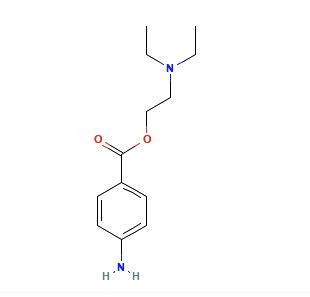
Molecular structure Procaine HCl crystalline powder CAS 51-05-8 CristalChem
🔗 Reference data:
PubChem — Procaine hydrochloride (CID 4914)
NIST WebBook — Procaine (ID 51-05-8)
ChemSpider — Procaine hydrochloride (ID 5591)
ECHA — Substance Information: Procaine hydrochloride
As an ester-type anesthetic, Procaine HCl undergoes hydrolysis more readily than amide analogs. In aqueous media it dissolves quickly, enabling convenient preparation of laboratory stock solutions. Due to moderate lipophilicity and ionization at physiological pH, dermal penetration is limited relative to lidocaine; formulation strategies often include co-solvents and penetration enhancers to optimize onset and perceived effect in topical prototypes.
Related CristalChem reagents for benchmarking and formulation design: Lidocaine, Benzocaine, Menthol, Caffeine Anhydrous. For handling best practice consult our SDS Guide.
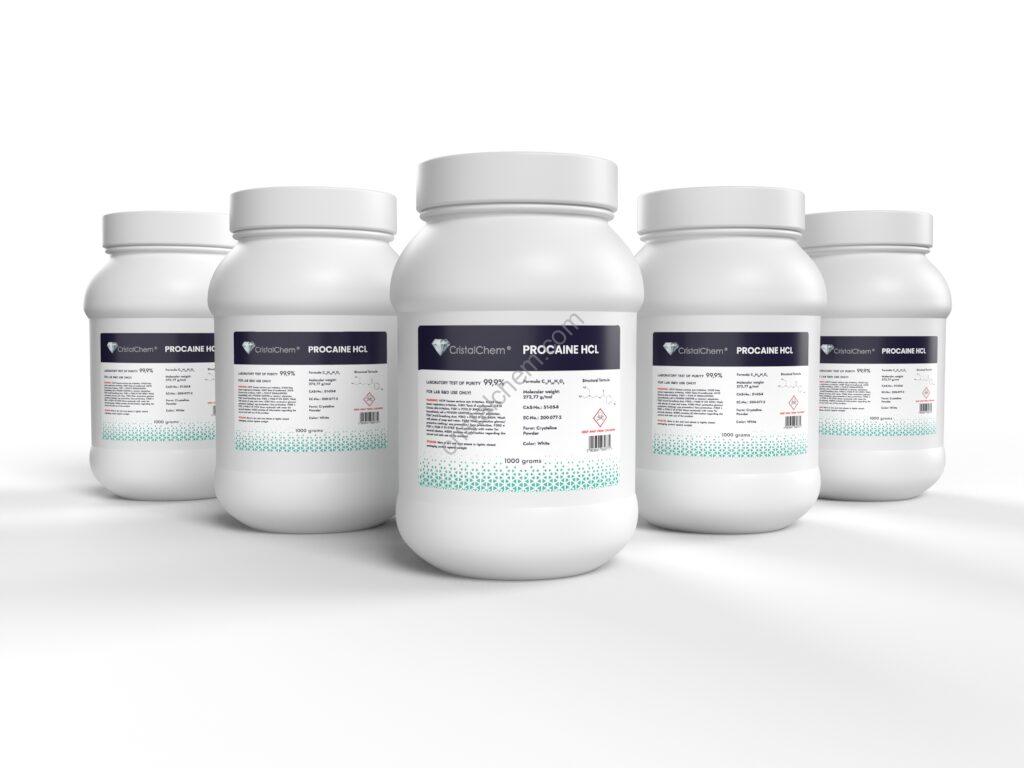
Bootle hope Procaine HCl crystalline powder CAS 51-05-8 CristalChem
Procaine hydrochloride is listed in major chemical and regulatory databases. For hazard classification and labeling, refer to the ECHA — Substance Information: Procaine hydrochloride. Quality systems for R&D should include batch traceability, controlled environmental storage, and routine verification of identity and purity (e.g., HPLC assay, IR). Laboratories are advised to maintain a current Safety Data Sheet and to implement PPE and ventilation suitable for fine powders.
Water is preferred for rapid dissolution. Ethanol and propylene glycol (PG) can enhance permeability and flexibility of topical systems. For binary solvents, recent thermodynamic analyses provide insight into solubility behavior in PG/2-propanol mixtures:
Ester anesthetics may hydrolyze; avoid prolonged heat and excessive moisture. Use amber containers, add desiccants, record pH and storage conditions. Verify stability via periodic assay and appearance checks.
Historically a dental infiltrative anesthetic, Procaine HCl today supports comparative R&D, gel and paste prototypes for teaching and method development. It serves in analytical validation as a reference compound and in pharmacological benchmarking versus amide anesthetics.
Procaine’s role in anti-aging discourse (e.g., the Romanian Gerovital H3 tradition) sustains research attention; however, commercial or medical use is strictly jurisdiction-dependent. Review papers discuss putative molecular effects and controversies in this field.
Demand for local anesthetics is driven by aesthetics, dental services, tattoo culture and OTC self-care. Selected references and datasets:
Growth is visible across the USA, Canada, UK, Ireland, Germany, France, Spain, Italy, Sweden, Estonia, Latvia, Romania, Bulgaria, the Netherlands, Australia, New Zealand and Mexico. For international distribution, robust documentation and compliant packaging are essential — hence the strategic value of safe worldwide delivery.
The procedures and examples in this article are for informational and educational purposes only. They are not production instructions or medical advice. Experiments must be conducted by qualified professionals in compliant facilities. Quantities are illustrative prototypes. Perform risk assessments, stability and toxicology studies, and obtain required approvals (FDA, EMA, ECHA, local). CristalChem assumes no liability for misuse.
Objective: Evaluate solubility of Procaine HCl in water, ethanol, PG, glycerol, and binary PG/2-propanol.
Reference: Solubility and thermodynamic studies of procaine hydrochloride in PG + 2-propanol (2025)
Outcome: Highest solubility in PG at elevated temperatures; water ensures the fastest initial dissolution for stock solutions.
Objective: Compare crystalline stability at 25, 40 and 60 °C; assess light-exposed vs. protected samples.
Tip: Use amber vials with desiccant; monitor hydrolytic pathways typical for esters.
Objective: Lab-only prototype for pre-session comfort evaluation.
Example load: 2–4% Procaine HCl in aqueous cream base; include 5–10% propylene glycol as co-solvent.
Note: R&D use only; not a finished product.
Objective: Compare onset and duration versus lidocaine and benzocaine in standardized in-vitro models.
Reading: Procaine Hydrochloride — overview chapter
Objective: Use Procaine HCl as a reference standard during method development and validation.
Data: NIST WebBook — Procaine (ID 51-05-8)
Objective: Profile effect of pH on ionization and solubility; test phosphate/citrate buffers (pH 5.0–7.0).
Outcome: Ionized fraction governs aqueous solubility; buffering improves solution consistency during QC.

Procaine HCl anesthetic cream formulation CAS 51-05-8 CristalChem
Global demand spans pharmaceutical laboratories, aesthetic clinics, tattoo and piercing studios and wellness brands. Strategic opportunities include OTC topical concepts where permitted, clinic-use gels and recovery kits. Selected references and data sources for due diligence and market validation:
Procaine HCl Crystalline Powder (CAS 51-05-8) links the heritage of local anesthesia with modern R&D across the USA, Canada, UK, Ireland, Germany, France, Spain, Italy, Sweden, Estonia, Latvia, Romania, Bulgaria, the Netherlands, Australia, New Zealand and Mexico. For reliable quality and compliant logistics, leverage CristalChem’s safe worldwide delivery.
⚠️ Disclaimer: This article is for educational and informational purposes only. It does not constitute production or medical advice. Experiments must be performed by qualified professionals under legal and safety standards. CristalChem assumes no liability for misuse or accidents.

Chemical Research Writer at CristalChem Academy. Passionate about chemistry, R&D, and turning laboratory insights into global wellness and industrial innovations.