
USD

Lidocaine Hydrochloride (Lidocaine HCl; CAS 6108-05-0) is one of the most widely used local anesthetic actives in topical research and industrial product development. Because it offers fast onset, predictable performance, and broad formulation compatibility, it remains a cornerstone in R&D projects focusing on creams, gels, sprays, and patch prototypes. Moreover, regulatory frameworks now place stronger emphasis on documentation and provenance, which means that understanding what the powder is and how it is specified is just as important as sourcing it.
Accordingly, this article explains what Lidocaine HCl powder is, how it is classified and tested, which physical forms exist, how to read a COA/SDS, and which global compliance checkpoints (REACH/CLP, FDA, MHRA) you should verify before any laboratory use.
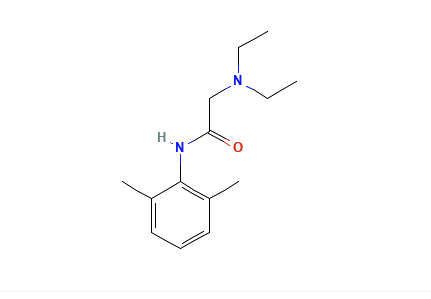
Lidocaine HCl is the hydrochloride salt of 2-(diethylamino)-N-(2,6-dimethylphenyl)acetamide. In practice it appears as a white crystalline powder, freely soluble in water and ethanol, and generally stable across mildly acidic to neutral pH ranges typical for dermatological bases. Therefore, it is frequently incorporated into the aqueous phase of semi-solid formulations and protected from excessive heat during processing.
| Parameter | Typical Specification | Reference |
|---|---|---|
| Chemical name | Lidocaine Hydrochloride | Ph. Eur. / USP monographs |
| CAS | 6108-05-0 | PubChem entry |
| EC No. | 200-803-8 | ECHA Substance Info |
| Appearance | White crystalline powder | COA |
| Assay (HPLC) | ≥ 99.0 % | COA / pharmacopoeia |
| pH (1% sol.) | ~4.0–5.5 | Ph. Eur. / USP |
| Solubility | Freely soluble in water and ethanol | Pharmacopoeia tests |
| Loss on drying | ≤ 0.5 % | Ph. Eur. / USP |
Available from: CristalChem Reagents — Lidocaine HCl Powder 99.9%
Although the active is chemically the same, manufacturers supply distinct physical forms optimized for processing or dissolution:
Because particle size changes hydration and diffusion, it can also influence perceived onset in topical research. Therefore, document the form and mesh size on your formulation sheet and keep it constant between trials.
A compliant Certificate of Analysis (COA) should include batch number, manufacturing date, retest/expiry, assay method (HPLC), identification tests (IR/UV), pH in solution, related substances/impurities, loss on drying, and appearance. Additionally, the label and COA should reference the applicable pharmacopoeial standard (e.g., USP or Ph. Eur.) when claimed.
For batch-level examples, see our reagent documentation for: Lidocaine HCl 250 g and 1 kg laboratory grades, Procaine HCl 99.9 %, and Benzocaine Mesh Powder.
Even though Lidocaine HCl is widely used in topical products, the powder itself is a laboratory chemical and should be handled accordingly. Therefore, follow the SDS: avoid dust formation, use local exhaust when weighing, wear nitrile gloves and eye protection, and store in a sealed container at 15–25 °C away from oxidizers or acids.
Download current SDS directly from CristalChem Reagents SDS archive.
Because 2025/2026 brings tighter documentation audits, compliance is now a major cost and time driver. For official regulatory context, consult:
All above materials are available from: CristalChem Reagents — Certified Lab Supplies for R&D Use Only.
In summary, Lidocaine HCl powder is a well-characterized anesthetic active with proven utility in topical R&D. Nonetheless, correct documentation, batch traceability, and regulatory compliance define its true research value. Laboratories and OEM developers should purchase only verified reagent-grade materials from certified distributors such as CristalChem, where each lot includes COA + SDS + traceable origin.
Practical pH and gel-base advice is covered in our formulation guide.
Documentation depth and Incoterms influence final landed value; see the DDP price guide.
⚠️ Disclaimer: All information provided in this article is intended solely for scientific, educational and research purposes! The data, specifications and analytical notes are based on available laboratory literature and internal R&D testing. CristalChem does not guarantee completeness or absolute accuracy of the information presented — users should independently verify all details before use in their own research environment. All reagents mentioned are strictly for laboratory and R&D applications only. Not for human or veterinary use!

Chemical Research Writer at CristalChem Academy. Passionate about chemistry, R&D, and turning laboratory insights into global wellness and industrial innovations.