
USD

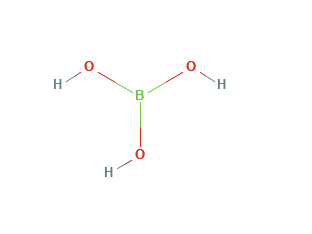
Boric acid remains a reliable, versatile and safe reagent for modern laboratories and factories. In 2026, teams use it for buffers, coatings, glass, ceramics, flame retardancy and cosmetic stability. Because buyers increasingly request traceability and fast logistics, many choose CristalChem. We supply 99.9% purity, deliver COA/SDS with every batch and, importantly, ship door-to-door under REACH/CLP rules.
Below, you will find a compact guide to where boric acid works best, how to select the right grade, and why documentation matters. For extra context, we link to related pieces from CristalChem Academy (history, price trends and material morphology) so you can quickly dig deeper.
Scientists use boric acid to stabilise pH buffers, improve titration accuracy and protect prototypes from microbial growth. Because the material dissolves cleanly and stores well, it supports repeatable work. Moreover, it pairs nicely with typical lab excipients and does not introduce heavy-metal noise when purity reaches 99.9%.
To see how particle form affects performance in other reagents, review Benzocaine Mesh vs Fluffy. Similarly, crystal geometry in boric acid influences dissolution and dosing speed.
Industry values boric acid for thermal behaviour and mild crosslinking. Consequently, plants add it to borosilicate glass to raise durability and to ceramic glazes to improve flow. In metallurgy, teams use it as a flux to help clean metal surfaces. In coatings and polymers, it supports flame-retardant performance without aggressive toxicity.
Meanwhile, cosmetic manufacturers adopt boric acid to fine-tune emulsion pH. Because small pH drifts break creams and gels, a predictable reagent makes a visible difference. For comparison of anaesthetic solids used in emulsions, see Lidocaine HCl popularity — the same formulation logic applies: purity, pH and morphology drive outcomes.
Before you purchase, confirm three points: purity ≥99.9%, batch-specific COA + SDS and REACH/CLP labels. CristalChem attaches digital PDFs and prints a QR to the label for quick audits. In addition, we keep archives for five years, so QA teams can verify lots long after delivery.
If you want a quick refresher on hazard sections and PPE tables, read our step-by-step guide: Safety Data Sheet — How to Read & Apply. For market context and regulatory mindset, also see Benzocaine Price; the compliance–over–price trend now shapes boric acid sourcing as well.
Choose flakes for fast dissolving and precise lab work. Choose chunks for furnaces, kilns and slow, even feeding. Therefore, let the process decide. Because logistics matter too, we seal both forms in anti-static, moisture-proof pouches. As a result, the product arrives dry, clean and ready to use.
For a broader look at morphology in lab powders, scan this quick history piece on solids and applications: Benzocaine — History & Uses. Different molecule, same rule: form and purity change real-world results.
Because downtime hurts projects, we ship rapidly. Typically, you receive boric acid within 1–3 business days across the UK & EU; North America receives in 3–5 days, while Asia–Pacific sees 4–7 days. We include COA, SDS and REACH/CLP paperwork in every parcel. Therefore, customs clears fast and audits run smoothly.
For a deeper view of export flows and why “documentation first” wins, compare our logistics note: Procaine HCl — overview. Likewise, this supply approach reduces risk for boric acid buyers.
Because sourcing choices ripple into performance, you may also like these Academy notes: Buy Benzocaine Powder UK and How Caffeine Improves Athletic Performance. Both articles show how purity and compliance raise real-world outcomes.
⚠️ Disclaimer: All information provided in this article is intended solely for scientific, educational and research purposes! The data, specifications and analytical notes are based on available laboratory literature and internal R&D testing. CristalChem does not guarantee completeness or absolute accuracy of the information presented — users should independently verify all details before use in their own research environment. All reagents mentioned are strictly for laboratory and R&D applications only. Not for human or veterinary use!

Chemical Research Writer at CristalChem Academy. Passionate about chemistry, R&D, and turning laboratory insights into global wellness and industrial innovations.