
USD

Boric acid is one of the most flexible laboratory reagents available today. It appears in two major physical forms — flakes and chunks. Both deliver the same chemical purity, yet their structure, handling, and purpose differ significantly. Knowing which form to select helps researchers, engineers, and buyers avoid waste, improve precision, and keep their projects compliant with REACH and CLP standards.
Flakes are the first choice for laboratories because they dissolve rapidly, weigh accurately, and spread evenly in solutions. As a result, they work perfectly for pH buffers, titrations, or reagent formulations. Flakes reduce dosing error since their light structure helps scientists measure exactly the right amount every time.
Moreover, laboratory-grade flakes from CristalChem arrive sealed and moisture-protected. Therefore, they maintain 99.9% purity and support repeatable analytical performance. For extra guidance on handling reagents safely, review Safety Data Sheet — How to Read & Apply in R&D.
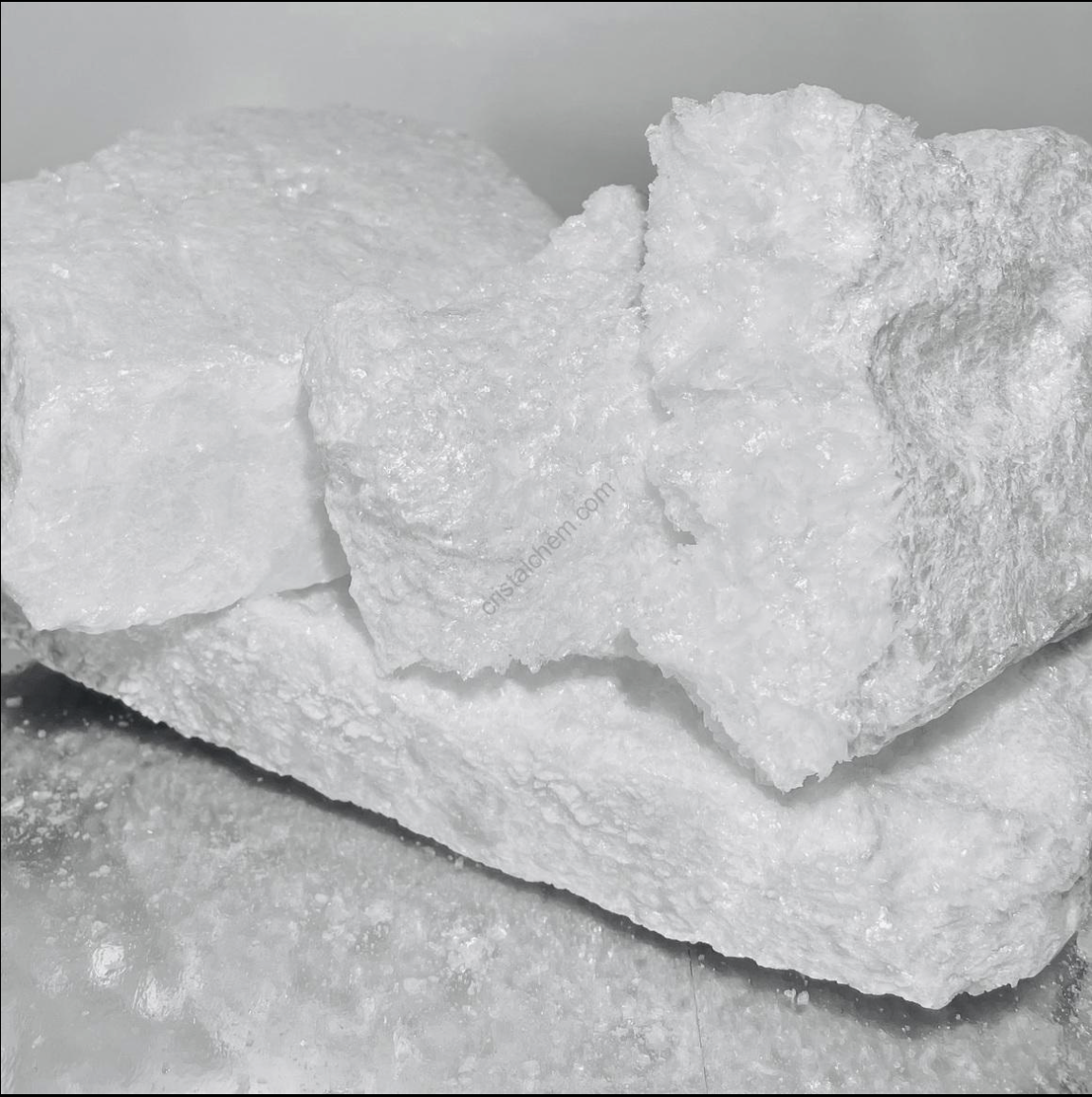
Industrial users often prefer boric acid chunks because they melt slowly and release steadily. This controlled behavior is valuable in ceramic kilns, metallurgy, and glass manufacturing. When used in borosilicate production, the gradual melt of chunks helps achieve consistent viscosity and reduces thermal shock.
Additionally, many coating and polymer industries add boric acid chunks to improve flame retardancy. Because chunks reduce dust formation during mixing, they also lower contamination risk in clean production zones. For comparison of other solid reagents in high-temperature processes, see Procaine HCl Crystalline Powder.
| Feature | Boric Acid Flakes | Boric Acid Chunks |
|---|---|---|
| Form | Thin crystalline sheets | Dense irregular blocks |
| Dissolution speed | Fast (ideal for lab work) | Slow (ideal for industrial furnaces) |
| Dust level | Low to moderate | Minimal |
| Handling | Easy weighing and mixing | Best for bulk loaders |
| Recommended use | R&D labs, cosmetics, chemical buffers | Glass, ceramics, flame-retardant compounds |
As you can see, each form plays a different role. Therefore, laboratories usually stock flakes, while heavy industries prefer chunks. In either case, CristalChem guarantees COA/SDS documentation and fast delivery worldwide.
Because purity matters, all CristalChem boric acid forms include REACH and CLP compliant labeling. Orders within the UK and EU typically arrive in 1–3 days, while North America and Asia–Pacific receive goods within 3–6 business days. Every package contains a printed COA, SDS, and batch code for traceability. As a result, audits are smooth and customs clearance quick.
If you work with temperature-sensitive reagents, read Benzocaine Mesh vs Fluffy — Global Reagent. It shows how crystal structure, just like with boric acid, affects behavior during processing.
⚠️ Disclaimer: All information provided in this article is intended solely for scientific, educational and research purposes! The data, specifications and analytical notes are based on available laboratory literature and internal R&D testing. CristalChem does not guarantee completeness or absolute accuracy of the information presented — users should independently verify all details before use in their own research environment. All reagents mentioned are strictly for laboratory and R&D applications only. Not for human or veterinary use!

Chemical Research Writer at CristalChem Academy. Passionate about chemistry, R&D, and turning laboratory insights into global wellness and industrial innovations.