
EUR


Lidocaine Hydrochloride (Lidocaine HCl) is one of the most widely used topical anesthetics in modern dermatology, cosmetics, and laboratory research. Because of its fast onset, good solubility, and wide pH stability, it has become a core active ingredient in numbing creams, depilatory gels, and tattoo anesthetic bases.
However, working with the powder form requires careful attention to solubility, compatibility, and safety documentation. Therefore, laboratories and OEM manufacturers must follow best practices when dispersing, neutralizing, and stabilizing Lidocaine in semi-solid systems.
This guide by CristalChem Academy summarizes the scientific fundamentals, SDS precautions, and real laboratory formulation tips to ensure compliance and consistency in every research batch.
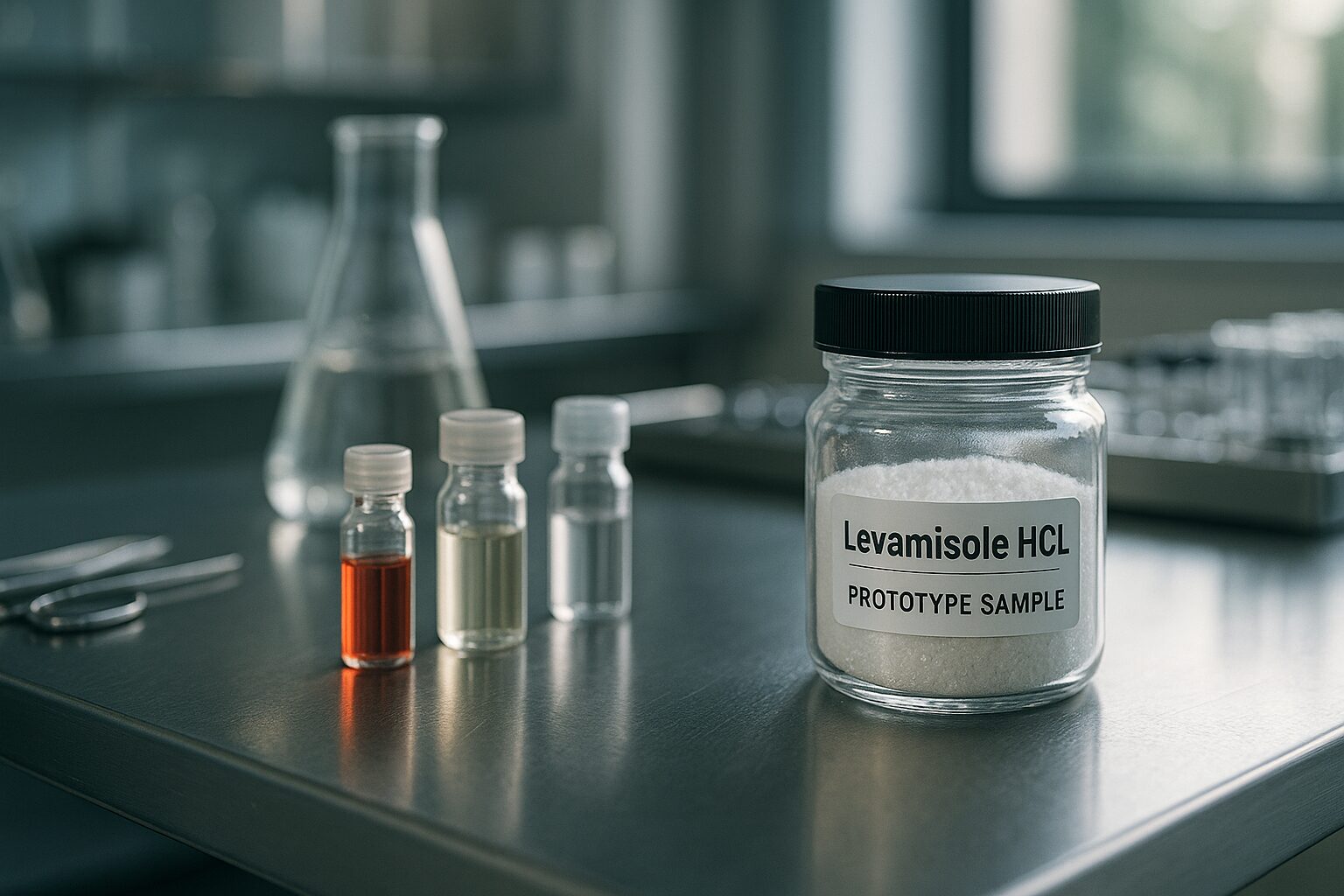
Before anything else, it’s important to understand what kind of material you are working with. Lidocaine HCl (CAS 6108-05-0) is the hydrochloride salt of 2-(diethylamino)-N-(2,6-dimethylphenyl)acetamide. It is freely soluble in water and ethanol, slightly soluble in acetone, and practically insoluble in ether.
| Parameter | Specification | Reference |
|---|---|---|
| CAS Number | 6108-05-0 | PubChem |
| EC Number | 200-803-8 | ECHA Substance Info |
| Form | White crystalline powder | COA |
| Solubility | Freely soluble in water and ethanol | USP / Ph. Eur. |
| pH (1% sol.) | 4.0–5.5 | Ph. Eur. 2025 |
Consequently, it should be incorporated during the aqueous phase of cream or gel production and protected from high temperatures (>60 °C) to prevent degradation.
Because Lidocaine HCl is both a pharmaceutical and cosmetic ingredient, it falls under multiple global regulations. Therefore, every laboratory should confirm that their material complies with the correct framework before use.
See also FDA 21 CFR 348 and ECHA REACH Registration.
Above all, treat Lidocaine HCl powder as a laboratory chemical — not a finished cosmetic ingredient. Hence, follow your Safety Data Sheet (SDS) and keep the workspace ventilated.
Download SDS templates from our CristalChem SDS Library 📁 or request batch-specific documentation at CristalChem Contact.
Before formulation, ensure the base cream is buffered around pH 5 – 6.5. Because Lidocaine HCl is a weak base salt, it dissolves completely in the aqueous phase when added before emulsification.
For stability, avoid prolonged heating above 60 °C and use chelating agents such as disodium EDTA to reduce oxidation. Additionally, lidocaine stability increases in neutral pH zones, so avoid alkaline gels.
Likewise, gels require a different approach since the polymer network determines viscosity and drug release.
Because Lidocaine is fully ionized in acidic media, proper neutralization ensures maximum availability. Therefore, control the final pH carefully.
As a result, you get a transparent gel suitable for OTC prototypes and stability testing.
In general, Lidocaine HCl is stable for 24 months in closed containers when stored below 25 °C. Nonetheless, hydrolysis may occur in high-pH bases or under high humidity. Thus, always perform accelerated stability tests (40 °C / 75 % RH) for 3 months to confirm formulation integrity.
Moreover, avoid mixing with menthol or camphor in the same phase; they can shift solubility balance. Instead, add cooling actives during the final blending stage.
To comply with REACH, FDA, and internal QA requirements, maintain a complete batch record containing:
These files are essential during audits and GMP inspections. For reference, see our Import Checklists and SDS Library.
Unfortunately, not every supplier provides genuine pharmaceutical-grade Lidocaine HCl. As a result, many small traders from unverified sources offer powders without proper documentation.
Therefore, CristalChem recommends verifying every batch through QA review and confirming traceability before use in R&D. For comparison, explore related discussions in our buying guide.
Often, lidocaine is combined with soothing or cooling co-actives. Consequently, selecting compatible excipients improves the sensory profile and stability of your cream or gel.
| Substance | Function | Link |
|---|---|---|
| Benzocaine | Topical anesthetic (solid) | CristalChem Benzocaine Guide |
| Procaine HCl | Alternative ester anesthetic | CristalChem Procaine Overview |
| Menthol | Cooling agent | CristalChem Menthol Profile |
| Caffeine | Stimulation additive | CristalChem Caffeine Reference |
| Phenacetin | Analytical benchmark | CristalChem Phenacetin Article |
In conclusion, working with Lidocaine HCl powder in topical systems requires a blend of chemistry knowledge and regulatory awareness. Because every phase, pH, and solvent affects solubility and safety, consistency in documentation is essential. As a result, labs that follow proper SDS, REACH, and GMP guidance avoid formulation failures and compliance risks.
CristalChem Academy encourages responsible use of anesthetic actives in R&D environments only. By doing so, researchers maintain credibility and ensure reproducible results across the 2025/2026 cycle.
Before formulating, confirm identity & specs in What Is Lidocaine HCl?
For sterile lab prep (not DIY), follow the Regulatory Checklist.
⚠️ Disclaimer: All information provided in this article is intended solely for scientific, educational and research purposes! The data, specifications and analytical notes are based on available laboratory literature and internal R&D testing. CristalChem does not guarantee completeness or absolute accuracy of the information presented — users should independently verify all details before use in their own research environment. All reagents mentioned are strictly for laboratory and R&D applications only. Not for human or veterinary use!

Chemical Research Writer at CristalChem Academy. Passionate about chemistry, R&D, and turning laboratory insights into global wellness and industrial innovations.